Research Agenda
Loren studies the social and structural determinants of child and family well-being.
↳ They use quantitative and qualitative methods to examine how the social safety net – and the policy contexts that structure it – shapes families' capacity to give and receive care.
↳ Their research contributes to debates on institutional responsibility and precarity, the tension between surveillance and support, and the stratifying consequences of contemporary care infrastructures.
Current Projects

State-backed assistance is largely conditional, yet access has expanded for select groups. Still, eligible recipients, like youth aging out of child welfare, rarely receive such supports. Based on 18 months of Chicago fieldwork, this project shows that workforce instability undercuts receipt and sustains surveillance, pushing youth toward unstable alternatives.
Funding: National Science Foundation and Horowitz Foundation for Social Policy

Team ethnography is a collective approach to fieldwork that remains undertheorized despite its potential. This manuscript draws on nearly two years of multi-sited ethnographic fieldwork on youth suicide prevention to identify the method's strengths and limitations.
Collaborators: Social Worlds & Youth Wellbeing Study, Dr. Anna Mueller, Indiana University – Bloomington

Childcare instability is a common family challenge, yet its implications for maternal health are understudied. Using the Future of Families and Child Wellbeing Study, and quasi-experimental methods, this project examines how childcare disruptions shape mothers' mental health.
Award: Best Poster Award, Section on Health and Health Behavior, PAA
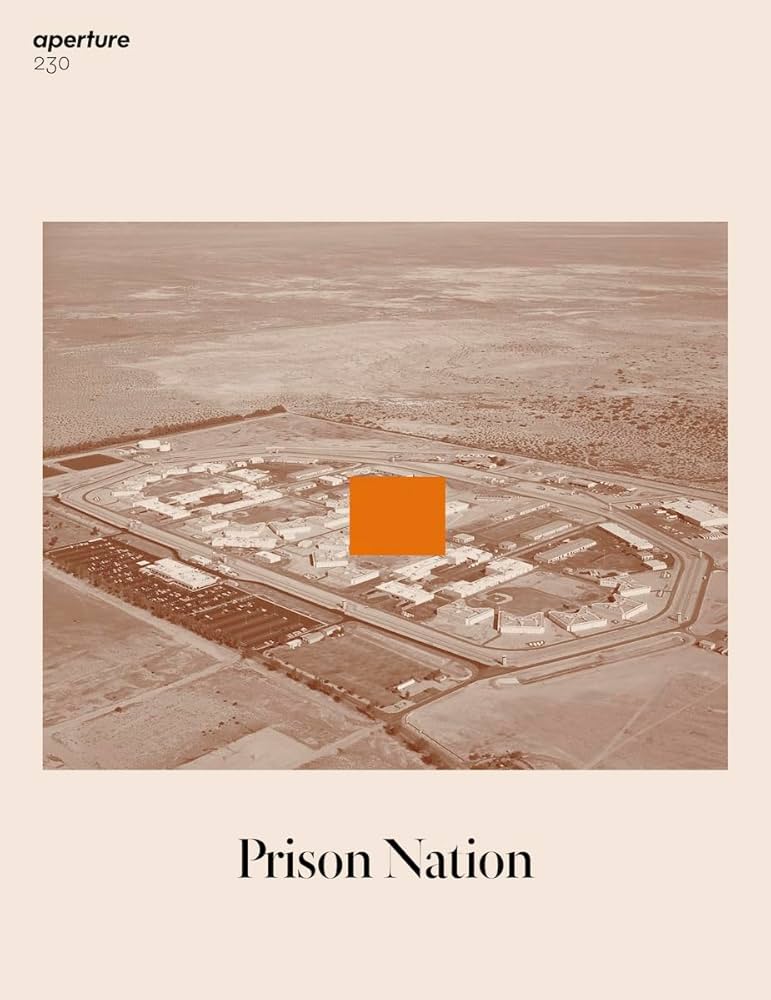
The termination of parental rights (TPR), the legal severing of parent-child bonds, is one of the most punitive state actions into the family. Linking over 10 years of administrative data, this study uses hybrid models to show that carceral contexts amplify TPR, especially for fathers of color.
Award: Best Graduate Paper, Sociology and Social Welfare Division, SSSP
Publications





Related Public Scholarship


Image credits: Mike McQuade; Stephen Tourlentes; Khalili, Lara Khaldi, Marwa Arsanios; Michelle Millar Fisher, Amber Winick